Published:
eIDAS 2.0 and the EUDI Wallet
What Europe’s New Digital Identity Framework Means for Secure ID Verification
Introduction
Digital identity is becoming a key building block for Europe’s digital future. With eIDAS 2.0 and the European Digital Identity Wallet, the European Union is creating a common framework that will allow citizens, residents and businesses to prove their identity, share verified credentials and access services across borders securely, conveniently and under their own control.
What is eIDAS 2.0?
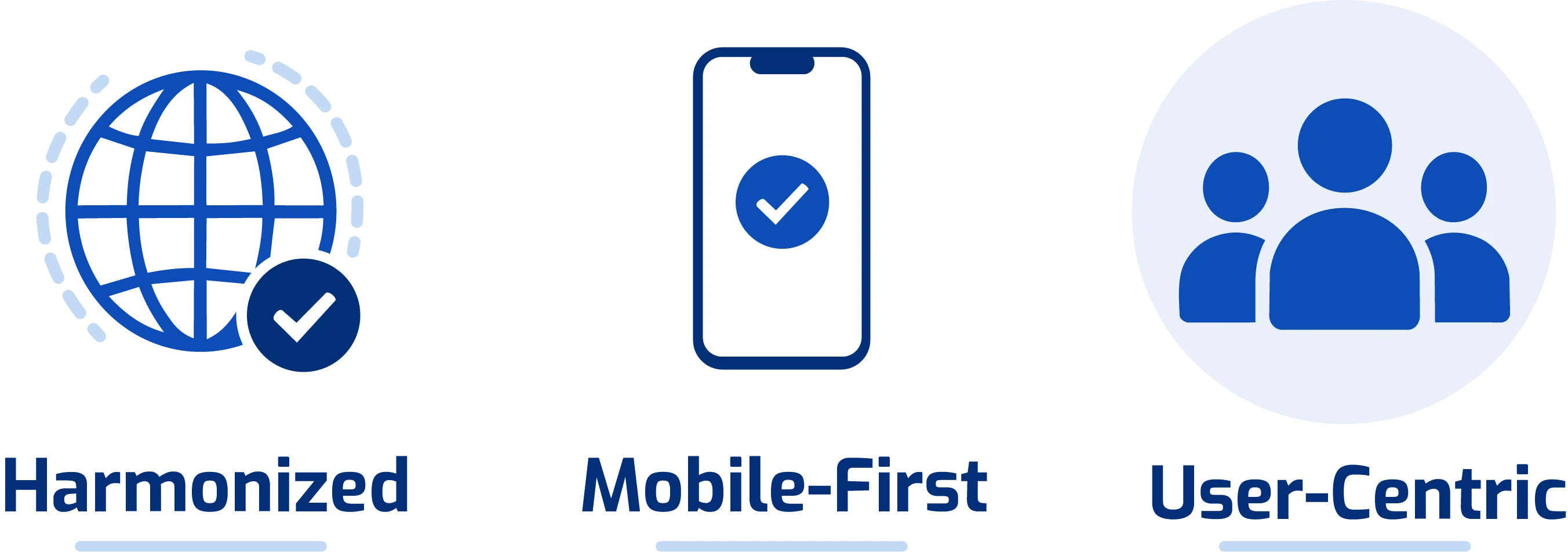
eIDAS is an abbreviation for electronic identification, authentication and trust services. The original eIDAS Regulation established a European framework for electronic identification and trust services. With eIDAS 2.0, which entered into force in May 2024, this framework has been expanded to support a more harmonized, mobile-first and user-centric approach to digital identity across the EU.
At the center of the updated regulation is the European Digital Identity Wallet, often referred to as the EUDI Wallet. Each EU Member State is required to provide at least one wallet solution based on common specifications to be made available to any citizen, resident and business in the EU. The goal is to make digital identification and the exchange of verified attributes easier, safer and more consistent across Europe.
The EUDI Wallet: More than just another app
The EUDI Wallet is not simply another government-issued app. It is designed as the basis for a new European digital identity environment. People and businesses will be able to store, manage and share personal identification data and electronic attestations of attributes, such as driver´s licenses, diplomas, travel documents or professional qualifications.
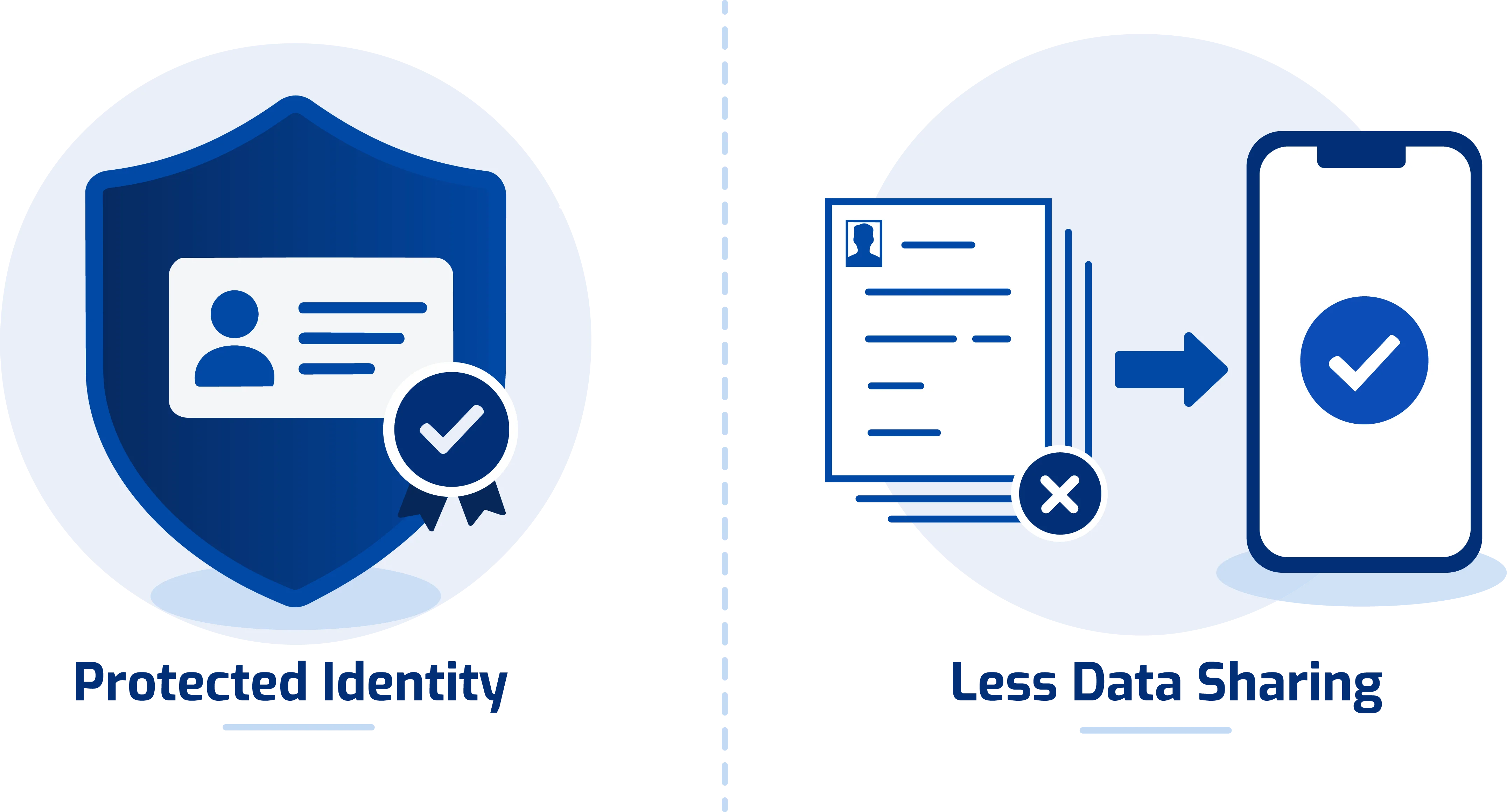
A central principle is user control. Instead of repeatedly uploading copies of passports, ID cards or certificates to different platforms, users will be able to share only the data that is needed for a specific transaction. This concept of selective disclosure is especially relevant for privacy-sensitive processes in which organizations need reliable proof without collecting more personal data than required.
Use cases in which the EUDI Wallet can make a difference
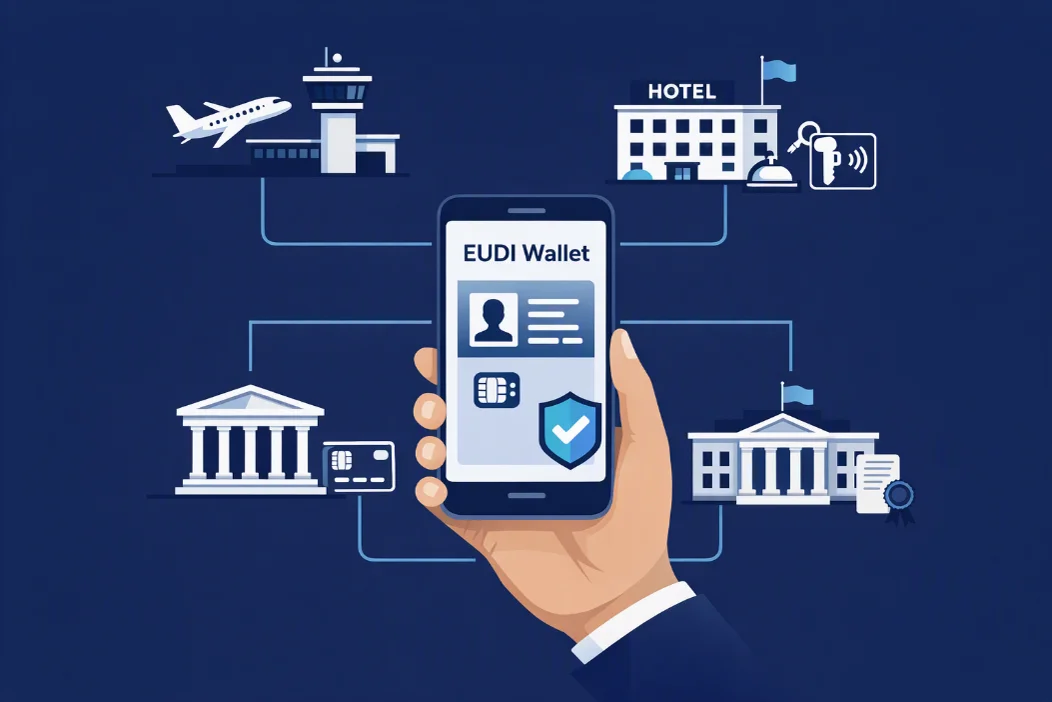
The European Commission highlights a wide range of potential use cases for the EUDI Wallet, from public administration to private sector services. In everyday life, this could include opening a bank account online, proving a driver´s license, enrolling at a university abroad, signing documents electronically, checking in for a flight or confirming identity during a hotel reservation.
For companies and public authorities, the wallet can reduce friction in onboarding and authentication processes. Instead of building separate identity flows for different countries or document types, the relying parties can prepare for a more standardized model that supports cross-border recognition, higher assurance and a better user experience.
Privacy and security by design
Since the wallet processes highly confidential identity data, data protection and security are top priorities in this context. Wallets must comply with strict requirements for cybersecurity, interoperability and certification. The eIDAS 2.0 framework also aims to give users transparency and control over what information is shared, with whom and for which purpose.
This is important because digital identity verification has often required users to distribute copies of sensitive documents across many service providers. The EUDI Wallet could help move identity checks closer to the logic of the physical world: a person presents a trusted identity document, the necessary information is verified, and excessive data exchange is avoided.
Why physical documents still matter in a digital identity ecosystem
The EUDI Wallet will play an important role in future identity verification. However, physical identity documents will not disappear in the next years. Passports, ID cards and visas will continue to be used in many scenarios, especially in travel, border control, airport operations, hotel check-in, banking and government services. This creates a transition phase in which organizations will need to handle both physical and digital credentials reliably. As a result, identity infrastructures must be capable of processing both physical documents and wallet-based credentials through a unified and future-proof approach.
Interoperability as the foundation of the EUDI Wallet ecosystem
The challenge is not simply reading a particular wallet application but ensuring compatibility with the technologies and standards that enable secure digital identity exchange. While European Digital Identity Wallets are based on a common framework and technical specifications defined by the EU, individual member states may introduce country-specific document types, applications and implementation details. For organizations, the key challenge is therefore not the wallet application itself but the ability to reliably read and verify digital credentials regardless of their country of origin. This requires support for the interfaces, security certificates and communication protocols defined within the European Digital Identity framework.
How DESKO technologies support secure identity processes
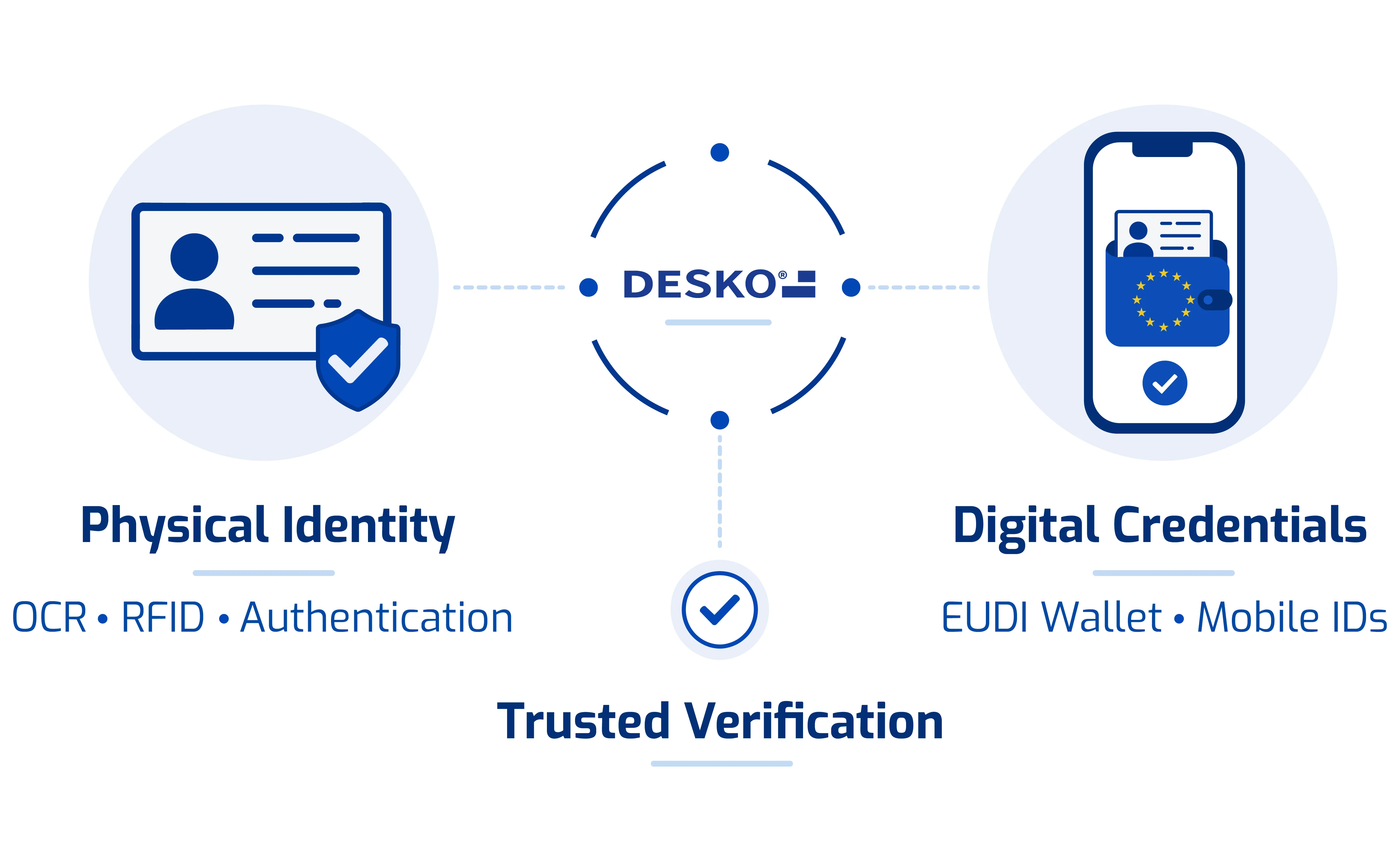
DESKO technologies are designed with this evolution in mind. In addition to reading and verifying physical identity documents using OCR, RFID chip access and document authentication, DESKO solutions can support wallet-based verification workflows providing the interfaces and capabilities required to interact with mobile credentials securely and efficiently.
By supporting the relevant technologies, DESKO identity verification solutions are prepared to process EUDI-compliant credentials regardless of the underlying wallet application or national implementation. While European Digital Identity Wallets follow a common standard and structure defined by the EU, individual countries may introduce their own document types and implementations. DESKO identity verification solutions are built around internationally recognized standards, enabling support for EUDI Wallet credentials and other ISO-compliant mobile identity documents independent of the wallet provider, issuing country, or implementation model. By creating a secure connection between physical and digital identity verification, DESKO provides the technology supporting document-based verification processes while at the same time preparing organizations for future wallet-based interactions.
From regulation to real-world trust
eIDAS 2.0 and the EUDI Wallet are setting the direction for a more interoperable and trustworthy digital identity landscape in Europe. But regulation alone does not create trust. Trust is built when identity data can be captured, verified and processed securely across real-world touchpoints, from online onboarding to airport counters, hotel receptions and public service desks.
For organizations, now is the right time to review existing identity processes and prepare for a hybrid future. Physical documents, digital credentials and wallet-based identities will coexist for years. The key challenge will be to verify them with the same level of security, efficiency and user convenience.
Sources and information for further reading
European Commission. EU Digital Identity Wallet Home. Available at:
EU Digital Identity Wallet Home
EUDI Wallet Consortium. EUDI Wallet. Available at:
EUDI Wallet Hub
German Federal Trust Services Information Portal. European Digital Identity Wallet (EUDI Wallet)
European Digital Identity Wallet
European Union. Regulation (EU) 2024/1183 establishing the European Digital Identity Framework.
Regulation (EU) 2024/1183 of the European Parliament and of the Council of 11 April 2024 amending Regulation (EU) No 910/2014 as regards establishing the European Digital Identity Framework
Frequently Asked Questions
-
What does eIDAS 2.0 mean?
eIDAS is an abbreviation for electronic identification, authentication and trust services. The original eIDAS Regulation established a European framework for electronic identification and trust services. With eIDAS 2.0, which came into force in May 2024, this framework was expanded to support a more harmonized, mobile-first and user-centred approach to digital identity across the EU.
-
How secure is the EUDI wallet?
The EUDI wallet must meet stringent requirements regarding data protection, cyber security and certification. Users retain control over which identity data they share, with whom and for what purpose.
-
What are the use cases for the EUDI wallet?
The EUDI wallet can be used for many forms of digital identification, for example in banking, travel, hotel bookings, public services or electronic signatures. For businesses and public authorities, it can simplify identity verification and support the standardized, cross-border use of digital identities.
-
Does the EUDI wallet replace the physical passport and identity card?
No. Despite the digital wallet, passports, identity cards and visas will continue to play an important role in many areas. This will result in a transitional phase during which digital and physical forms of identification will co-exist. Modern identity infrastructures should therefore be capable of processing both physical documents and wallet-based forms of identification as part of a unified and future-proof approach.