Published:
What you need to know about travelling to Singapore
Singapore is a pioneer in the digitization and automation of border control. Biometric identity verification, automated immigration lanes, and the analysis of travel data now play a central role in the entry process. Starting in January 2026, the “No-Boarding Directive” will introduce another important security measure. But what does this mean specifically for international travelers?
From passport to biometric identity
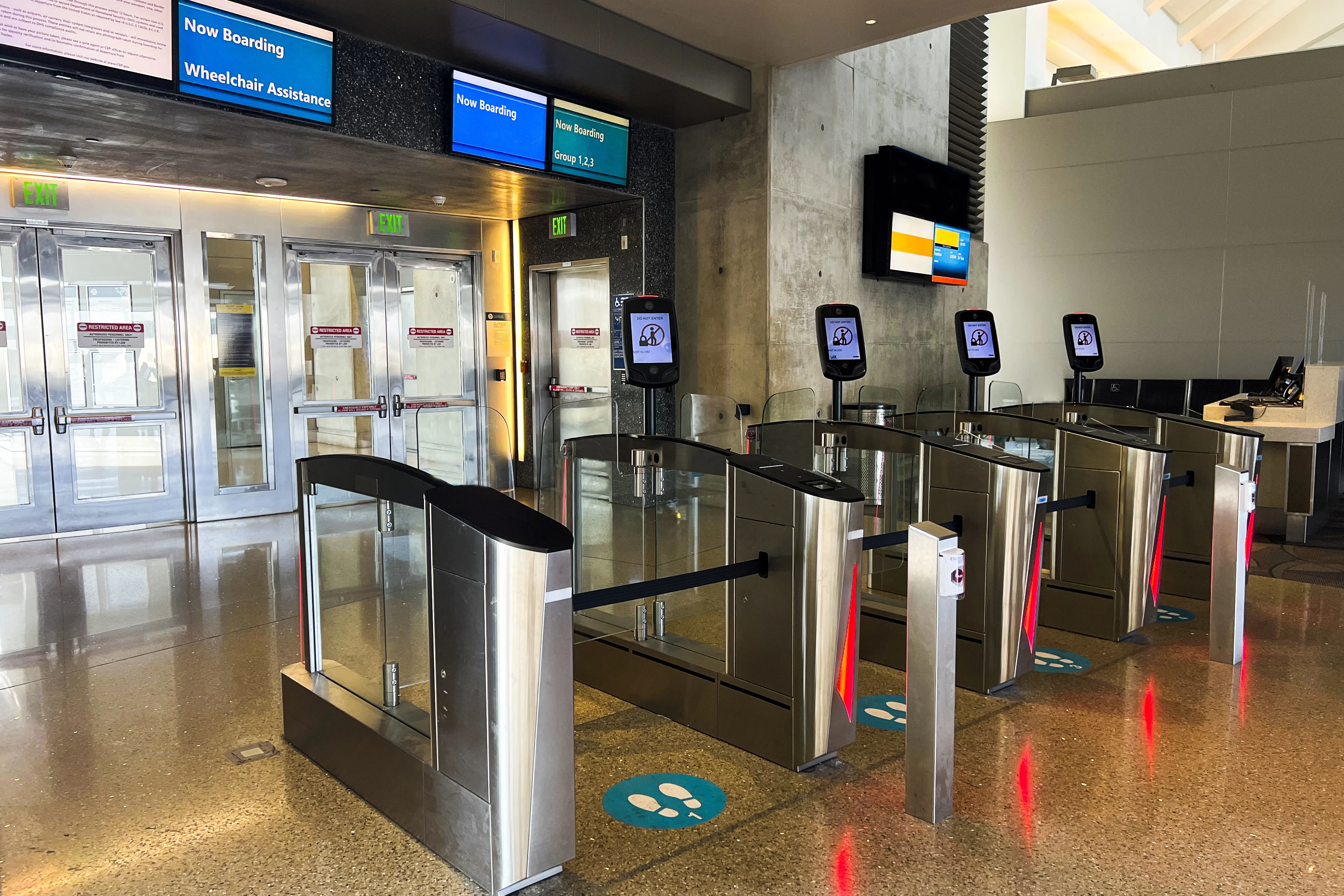
Traditional passport control is undergoing significant changes in Singapore. As part of the New Clearance Concept (NCC), the Immigration & Checkpoints Authority (ICA) is increasingly relying on automated clearance procedures.
Since May 2024, foreign visitors have been able to use the automated immigration lanes upon entry without having to register for the process in advance. According to the ICA, automated immigration clearance is now the norm at Singapore’s border checkpoints.
Biometric authentication plays a crucial role in this process. During immigration clearance, facial, iris, and fingerprint data, among other things, can be used for identity verification. Travelers must provide the required biometric data when requested during border control.
As a result, border control is increasingly evolving from a purely document-based process to a combination of travel documents, digitally available travel data, risk assessment, and biometric identity verification.

Passport-less and token-less Clearance: Traveling without passport control?
Under the term Passport-less Clearance, Singapore is significantly scaling back the traditional requirement to present a passport at certain checkpoints. However, travelers must still carry the physical document with them.
With so-called Token-less Clearance, identification is performed using facial and iris biometrics, without the need to present a passport at that point. This process has been implemented at Changi Airport, Seletar Airport, Marina Bay Cruise Center, and Tanah Merah Ferry Terminal, among other locations.
For foreign travelers, however, an important distinction must be made: Upon departure, they can already pass through immigration using facial and iris recognition without having to present their passport there. For the entry of foreign visitors, this should not be equated with a general passport-free entry.
The physical passport therefore remains essential. The ICA may request it for verification if necessary, and it is still required for entry into the next destination country. This is exactly the point where ID document capture and authentication technologies as developed by DESKO can support digital identity verification workflows by providing trusted ID data.
What documents are required for entry?
Despite increasing digitization, clear document-related requirements still apply.
Foreign travelers generally need an individually issued passport or a valid travel document with a minimum validity of six months. Collective travel documents are not accepted.
In addition, the SG Arrival Card (SGAC) must generally be submitted electronically within three days prior to arrival, including the day of arrival. It can be submitted free of charge via the official SGAC eService or the MyICA mobile app. The SG Arrival Card is expressly not a visa.
Short-term travelers should also be able to provide proof of onward travel and sufficient financial means. Whether an additional visa is required depends on the passport or travel document used.
Security screening begins even before reaching the border
One of the most interesting developments does not concern the actual border crossing, but rather the period before the traveler’s arrival.
The ICA’s New Clearance Concept combines automated border controls with biometrics, pre-arrival data, and risk-based analyses. Among other tools, the ICA’s Integrated Targeting Center (ITC) is used in this process.
The ICA explains that the ITC uses advance information on travelers and vehicles, as well as data analysis, to identify potential high-risk cases even before their arrival. Suspicious cases can then be specifically subjected to more rigorous checks.
As a result, part of border security is increasingly shifting from traditional checks at the counter to risk-based pre-screening prior to actual entry.
New as of January 2026: the No-Boarding Directive
One particularly significant change is the so-called No-Boarding Directive (NBD).
Since January 30, 2026, the Immigration & Checkpoints Authority (ICA) has been able to issue No-Boarding Directives. This means that security screening can have consequences even before a traveler boards a flight to Singapore.
The ICA had already explicitly announced this measure in 2025 with the goal of identifying and stopping individuals who do not meet entry requirements before they reach Singapore.
Put simply, this could result in the following multi-layered security process:
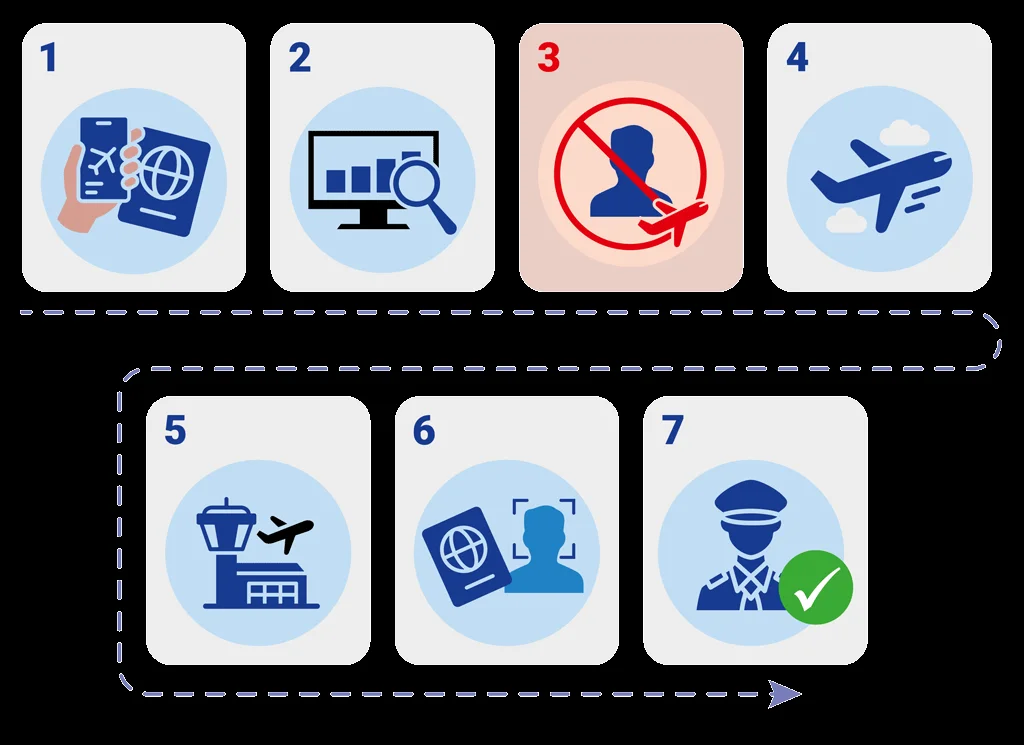
This is an important development for airlines and international travelers because potential entry issues will no longer necessarily become apparent only at the border in Singapore.
Land borders are also becoming more digital
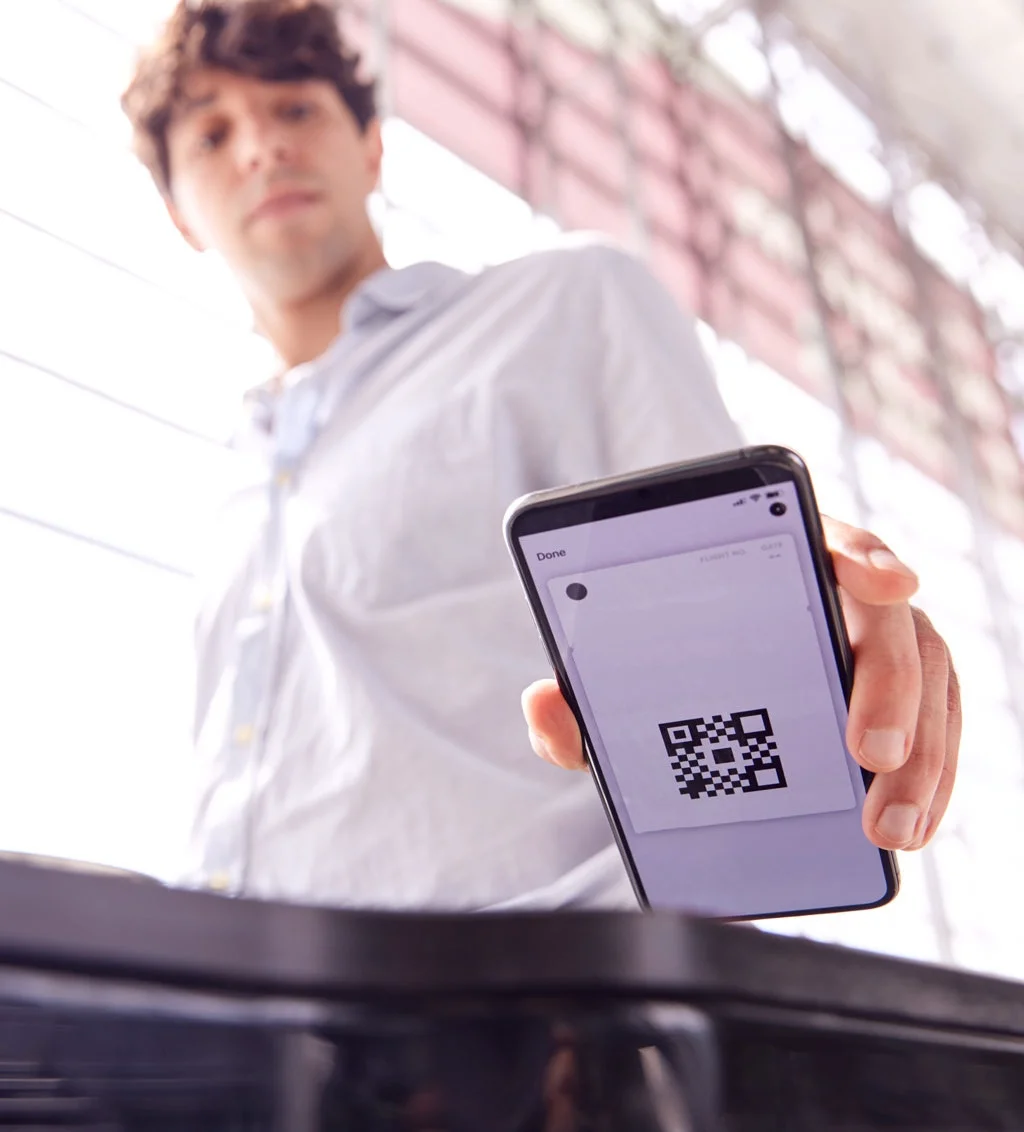
Digitalization isn’t limited to airports. At its land borders with Malaysia, Singapore is relying on QR code-based immigration clearance.
Travelers can generate a QR code for this purpose via the MyICA mobile app. According to the ICA, QR code clearance has been fully implemented at Singapore’s land checkpoints since January 2025.
However, there are restrictions for first-time foreign visitors. Anyone entering Singapore for the first time or using a different passport than on their previous trip must first present their passport. After that, QR code clearance can be used on subsequent trips.
The next phase of development is already planned: With the Automated Passenger Clearance System (APCS), automated border control is set to be expanded further to include vehicles in the future. The ICA describes, among other things, biometric verification and functions for detecting counterfeit documents. The phased implementation of APCS@Car at the Tuas Checkpoint is scheduled to begin in early 2027.
What travelers should know right now
Anyone traveling to Singapore should pay particular attention to the following points:
- Passport: Must be valid for at least six months.
- SG Arrival Card: Must be submitted through official ICA channels within three days prior to arrival, including the day of arrival.
- Onward travel: Short-term visitors should be able to present appropriate proof of onward travel.
- Biometrics: Facial recognition, iris scans, and/or fingerprints may be part of the immigration clearance process.
- Carry your passport: Even with passport-less or token-less procedures, the passport remains an important travel document and may be requested by the ICA for verification.
- Health regulations: Anyone who has been in a yellow fever risk area within the six days prior to arrival generally requires proof of vaccination. This may also apply to transit stays of more than twelve hours in an affected country.
In conclusion: Singapore is focusing on digital and risk-based border security
Singapore clearly demonstrates how international border control is changing. The physical passport remains the primary international travel document. However, it is no longer required at certain checkpoints because identification there is conducted using biometric features or a pre-generated QR code.
At the same time, security screening is taking place earlier and earlier. Through pre-arrival data, automated risk analyses, and the No-Boarding Directive, which has been in effect since January 2026, a traveler’s assessment can play a role even before their departure for Singapore.
Singapore is thus pursuing an approach in which document checks, biometric identity verification, automation as well as risk-based pre-screening are integrated. For travelers, this ideally means faster and more convenient border processes. At the same time, the requirements for valid travel documents and consistent information are increasing even before the journey begins.
Sources:
Immigration & Checkpoints Authority (ICA) of Singapore, accessed October 9, 2026: https://www.ica.gov.sg
Frequently Asked Questions
-
What should travellers bear in mind before travelling to Singapore?
Travelers should ensure they have a passport with sufficient validity, submit the SG Arrival Card on time, and, if necessary, provide proof of onward travel or health documentation. In addition, biometric procedures may be part of the entry screening process. Travelers should always carry their passport with them, even when digital border procedures are in place.
-
What documents do foreign travellers need to enter Singapore?
To enter Singapore, you must have a valid passport with at least six months’ validity remaining and, as a general rule, the SG Arrival Card (SGAC). Depending on your travel document, a visa may also be required.
-
What does ‘passport-less clearance’ in Singapore mean for foreign travellers?
“Passport-less Clearance” enables biometric identity verification without the need to present a passport at certain checkpoints. However, a physical passport is still required.
-
How does Singapore screen travellers before they arrive?
Singapore uses advance information and risk-based data analysis to identify potential risk cases even before arrival. In certain cases, this may result in additional checks or mean that travellers are not permitted to board a flight to Singapore in the first place.
-
Can travellers enter Singapore via its land borders using a QR code?
Yes. Travellers can use a QR code generated via the MyICA Mobile app for immigration clearance at Singapore’s land borders. However, foreign first-time visitors must first present their passport.