35 years of DESKO
35 years of DESKO: From an attic to airports around the world
What do German banks, international airports, and modern identity verification have in common? For the past 35 years, DESKO has played a role in all of them.
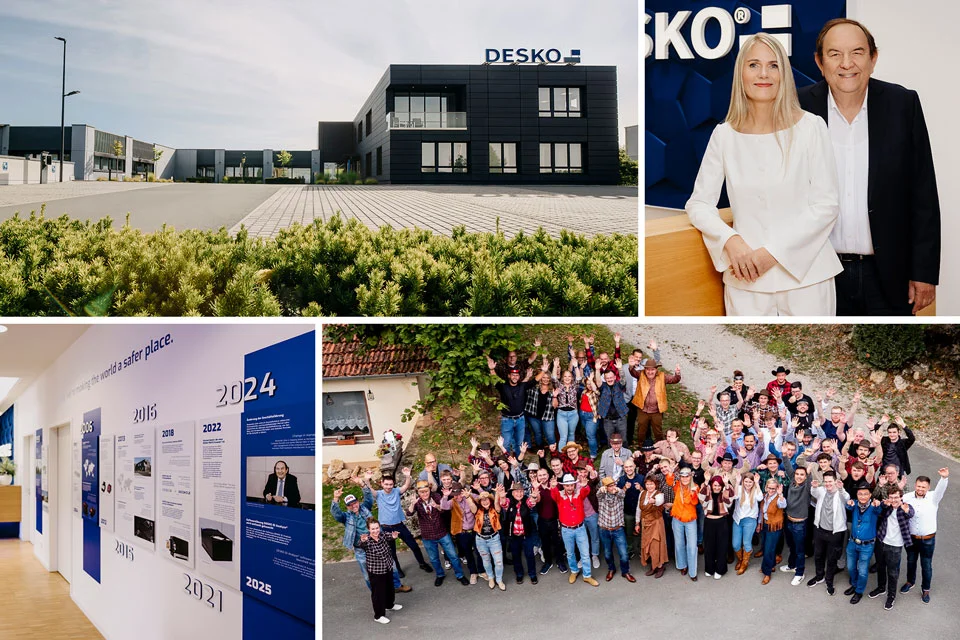
As DESKO had celebrated its 35th anniversary on October 1, 2026, the company looks back on a journey that started not in a garage, as many typical startup stories do, but in an attic in a small town near Bayreuth, Germany.
The company’s name reflects its original mission. Derived from the German term for data input systems and concepts (Dateneingabesysteme und -konzepte), DESKO was founded to develop devices that make data capture faster, easier, and more reliable. Early successes came with the development of magnetic stripe readers integrated into keyboards, which were widely used in the German “Sparkasse”.
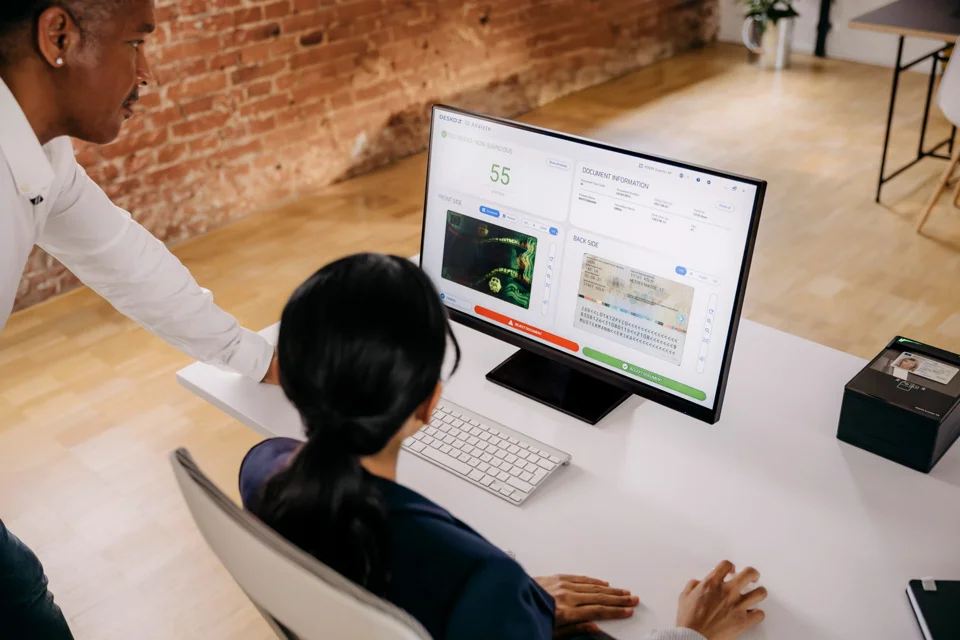
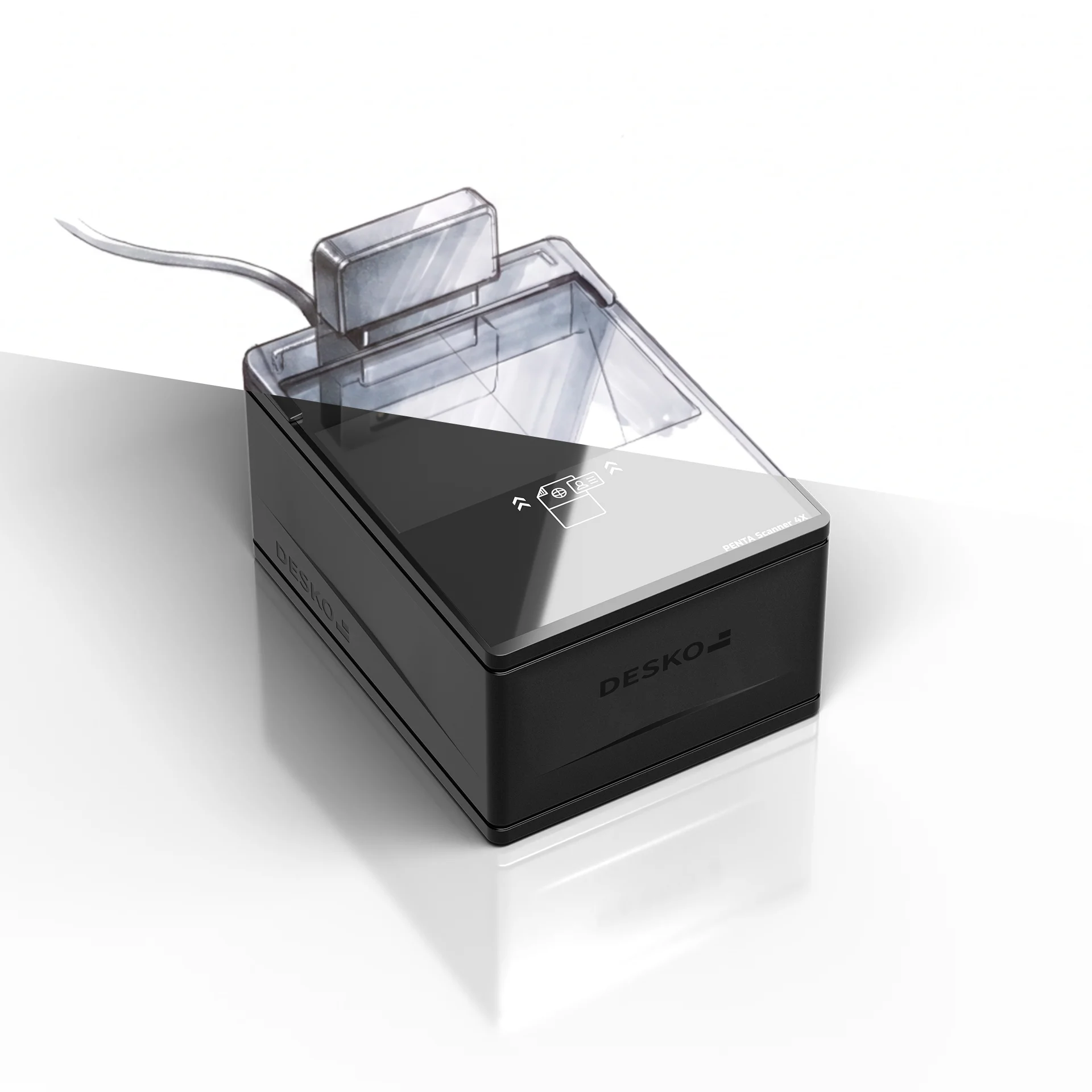
Over the years, DESKO expanded its technology and became a specialist in developing hardware for document scanning and identity verification. Today, millions of travelers encounter DESKO technology every day, often without realizing it. From check-in counters and self-service kiosks at the airport to border control and boarding gates, DESKO solutions are in use around the globe.
A defining moment in the company’s history came after the terroristic events of 9/11, when the demand for secure identity verification increased worldwide. As border security and fraud prevention became growing priorities, DESKO’s technologies found applications in an expanding range of industries and use cases. The company’s slogan, “Every day we’re making the world a safer place,” emerged from this commitment to security.
Looking ahead, DESKO sees its future not only as a manufacturer of hardware, but as a complete solution provider. By combining hardware, software, and consulting expertise, the company helps customers build efficient and secure identity verification processes tailored to their specific needs.
Biometric technologies, such as facial recognition, also play a key role in this context. One thing is certain: in the future, identity verification will depend largely on intelligent software that enables reliable and trustworthy decisions.